

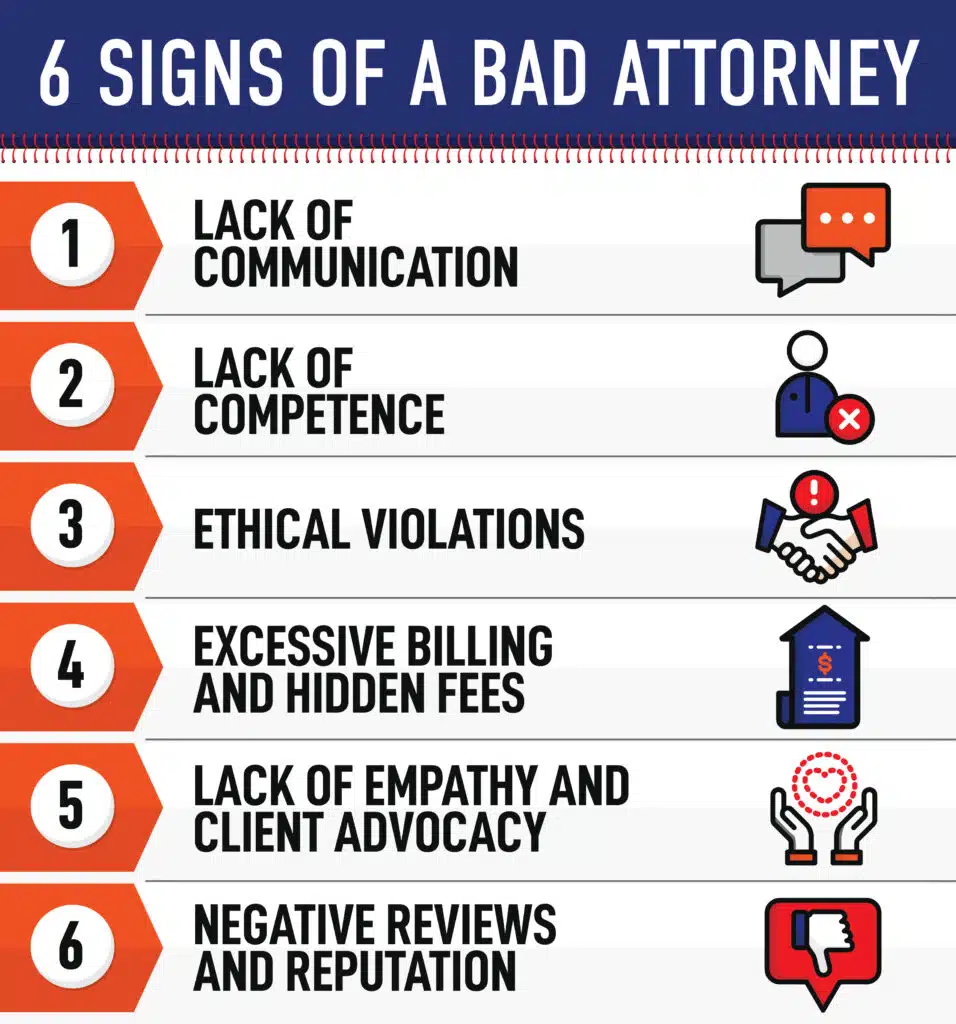
- Watch for poor communication, unrealistic settlement promises, pressure to accept an offer, unclear fees, limited trial experience, and missed deadlines.
- Your attorney should explain your options, keep you updated, provide a written fee agreement, and ensure important filing deadlines are met.
- If your lawyer is not meeting these expectations, raise your concerns in writing, consider changing attorneys, or contact the appropriate authorities.
Choosing the right personal injury lawyer can make a difference in how your case is handled. A bad attorney may show signs like poor communication, limited experience, missed deadlines, unclear fees, pressure to settle, or little attention to your case. Knowing the signs to look for can help you decide whether to hire a lawyer or reconsider your current representation.
At Chopra & Nocerino, we represent injured New Yorkers throughout the five boroughs and can give you a straight answer about whether your case is being handled properly. If you have concerns about your attorney or need help with an injury claim, contact us for a free consultation.
1. They Don’t Return Your Calls or Keep You Updated
Poor communication from an attorney can look like days of silence, a different staff member on every call, or learning about an offer or court date late. As a client, you are entitled to quick response times and reasonable updates on your case under New York’s Statement of Client Rights. You have the right to ask for regular updates on your case, including its current status, upcoming deadlines, and any decisions you need to make. If your attorney does not meet these expectations and you feel left in the dark, it may be time to consider changing your legal representation.
2. They Promise a Settlement Number Before Reviewing Your Case
A lawyer who promises a specific settlement amount at your first meeting may be making claims before knowing enough about your case. Your medical treatment may be ongoing, your injuries may not have fully developed, and the insurance policy limits may still be unknown. In New York, whether your injuries meet the serious injury threshold can also affect your right to recover compensation.
A good attorney will review your medical records and the facts of your case before discussing its potential value. They should explain what is known, what remains uncertain, and what could affect your claim. Be cautious of any lawyer who guarantees a win or promises a specific amount before reviewing the evidence. No attorney can guarantee an outcome, and an early settlement estimate may not reflect what your case is actually worth.
3. They Push You to Take the First Offer
An insurance company may offer a settlement before you know how much your injuries will cost you in the long run, including future medical bills and lost income. Your lawyer should not push you to accept an offer before reviewing your losses. Be wary if they will not explain why they recommend settling or threaten to stop representing you if you refuse. You have the final say in whether to accept a settlement.
4. They Can’t Explain Their Fees in Writing
Most New York personal injury attorneys work on a contingency fee basis, meaning you generally do not pay attorney fees upfront. The initial consultation is often free, and the lawyer takes an agreed-upon percentage of your recovery if you win or settle. This should all be clearly described in the written agreement you both sign.
Red flags associated with attorney fees may include:
- The lawyer requests payment without explaining how it fits the fee agreement.
- The lawyer will not explain who is responsible for case expenses.
- The lawyer does not provide a written breakdown of the settlement, fees, expenses, and your share.
Before signing, ask how the fee is calculated and whether you may be responsible for case expenses if you do not recover compensation. If you disagree with your lawyer’s fees, New York offers a fee dispute arbitration process under 22 NYCRR Part 137, which allows clients to have certain disputes reviewed through a court-sponsored program.
5. They Don’t Really Handle Injury Cases or Go to Court
Choosing a general practice lawyer instead of one who specializes in personal injury can have serious consequences for your case. For one, they may not be familiar with New York laws that affect your claim. For example, car accident cases can involve no-fault insurance rules and the serious injury threshold, while certain construction accident cases fall under New York Labor Law. An attorney not well-versed in these areas of law could overlook issues that affect your ability to recover compensation.
Trial experience also matters. If an insurance company knows a lawyer rarely takes cases to court, it may have less reason to offer a fair settlement. Ask about personal injury cases the lawyer has handled, how many have gone to trial, and who will actually manage your file. You can also request information on past verdicts and settlements. You should know whether you will work directly with the attorney you hired or mainly communicate with other staff members.
6. They Miss Deadlines or Lose Track of Your File
Missing the legal deadline to file a personal injury lawsuit can bar you from compensation. In New York, the general deadline to file a personal injury lawsuit is three years, but exceptions sometimes apply. For instance, if your claim involves the City of New York or another public agency, you may need to file a notice of claim within 90 days.
Watch for signs that your lawyer is losing track of your case, such as asking for documents you have already sent, missing appointments, or being unable to give you a clear answer about your filing deadline. You have the right to ask your attorney when you must file your case and to receive a direct answer. If your lawyer cannot explain the deadline or how they are protecting it, ask for clarification immediately.
What to Do if Your Attorney Shows These Signs
If you have concerns about your lawyer, start by putting them in writing. Explain what has gone wrong and ask for a clear response. You can also check your attorney’s registration status and disciplinary history through the New York court system. You can change lawyers at any point in your case. Your new attorney will usually transfer your case file and coordinate with your former lawyer.
With a contingency fee, your lawyer is generally paid a percentage of the money recovered in your case. If you change attorneys, you usually do not pay two full attorney fees, but the way fees are divided depends on your agreement and the circumstances of the case.
If you believe your lawyer has acted unethically, you can file a complaint with the appropriate New York Attorney Grievance Committee. The correct committee depends on where the attorney practices:
- Manhattan and the Bronx: First Judicial Department Attorney Grievance Committee.
- Brooklyn, Queens, and Staten Island: Second, Eleventh, and Thirteenth Judicial Districts Attorney Grievance Committee
Talk to a New York Personal Injury Lawyer Who Keeps You in the Loop
Choosing the right attorney matters. If you are concerned about how your case is being handled, our dedicated personal injury attorneys at Chopra & Nocerino can help you understand your options. We are committed to protecting the rights of injured New Yorkers and giving each case the attention it deserves. Contact us today at (855) NYC-HURT for a free consultation to discuss your case and the compensation you may be entitled to recover.
